Replacing ducted air conditioning: can you keep the ducts and controls?
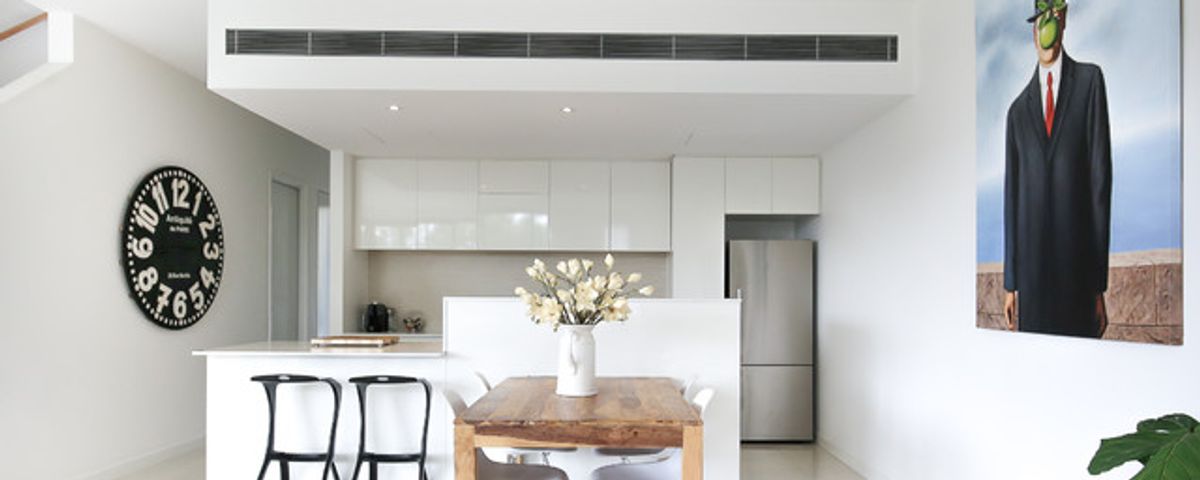
Replacing ducted air conditioning does not automatically mean replacing every duct or keeping everything already in the roof. Before comparing quotes for a Sydney home, ask which parts have been assessed, which can work with the proposed equipment and what will happen if their condition cannot be confirmed until access is available.
Can existing ducts be reused?
Daikin Australia says reuse depends on the condition of the ductwork and whether it suits both the replacement equipment and the rooms it serves. The manufacturer calls for an on-site assessment. Treat reuse as something to verify for your installation, rather than an inclusion to assume from a unit price.
Daikin Australia: guidance on reusing existing flexible ducting
Ask the assessor to record which duct runs and connections were accessible, their condition and the rooms covered by the proposed design. If you have changed the layout of the home or want different rooms conditioned, explain that before the quote is prepared. Ask whether further inspection is needed and how any additional work will be quoted.
Check the controller and zones separately
A working wall controller is not proof that it can operate a different indoor and outdoor unit combination. Give the installer the visible model numbers and controller details, then ask for written confirmation of the proposed controls and zoning arrangement. Do not assume that retaining the ducts also means retaining the controller, zone components or wiring.
List the rooms you want to use together and any zones you currently avoid because they do not meet your needs. Ask how the proposed system will serve that pattern of use, which controls are included and what the installer will demonstrate at handover. Compatibility must be checked for the exact equipment being quoted.
Prepare useful information without entering the roof
Take safe photos of the wall controller and any equipment labels you can read from an accessible position. Describe the rooms served, known faults and any previous changes or repairs. Existing manuals, quotations and service records can help identify the installation. Leave roof access, cover removal and electrical or refrigerant checks to the technician.
Compare retained and replaced items in writing
Use the same scope when comparing quotations. Ask each supplier to identify the indoor and outdoor models, the ducts and outlets being kept or changed, the controller and zone equipment, and any electrical or access work. Check whether removal of old equipment, disposal, commissioning and a controls demonstration are included.
If something cannot be inspected before work begins, ask how that uncertainty is recorded, who approves extra work and how its price will be confirmed. This makes a unit-only quote easier to distinguish from a broader replacement scope without assuming either is right for every home.
A short checklist before accepting the quote
- Which existing components have actually been inspected, and which remain unconfirmed?
- Are the proposed indoor and outdoor models, controller and zones identified?
- Does the scope say what will be retained, replaced, removed and disposed of?
- What happens if hidden damage or incompatible parts are found?
- What commissioning, handover and model-specific warranty documents will you receive?
Plan the replacement around the assessment
The aim is a suitable replacement with a clear scope, not a promise that old components can always be reused. For Granville, Western Sydney and the wider Sydney area, start with the current equipment details and the rooms you want to condition. Ask AirXperts to assess the installation before agreeing which components can stay.
Need Air Conditioning Services?
Contact AirXperts for professional air conditioning installation, repair, and maintenance in Sydney.
Get a Free Quote